The volume of digital information produced every day is staggering. Smartphones, laptops, cloud platforms, IoT devices, drones, messaging apps, and social media platforms create enormous volumes of data that may be a source of crucial evidence. Investigators are able to respond to fraud or cybercrime, as well as insider threats, terrorist attacks as well as corporate security incidents and terrorism. Finding data is no longer a challenge. The problem is finding the correct evidence quickly and accurately.
Modern investigations require tools that can handle large amounts of information without compromising security or integrity. As digital environments continue to evolve, organizations must equip their teams with technology capable of handling ever-changing investigative requirements. Advanced digital forensics tools have been essential to law enforcement agencies, intelligence organisations and corporate security teams around the world.
Investigations are becoming more urgent.
In many investigations, time is one of the most important factors. In the case of delays in collecting the information, analysing, or reporting evidence can impede decision-making and raise operational risk and could allow dangers to continue in the absence of a solution.
The forensic procedure is often characterized by long periods of acquisition, manual review as well as disconnected systems which result in inefficiencies during the entire investigation.
Modern investigators require technology which can rapidly gather evidence from a variety of kinds of devices, while maintaining the highest levels of security and precision. The faster acquisition process allows teams to start analysis earlier, assisting investigators find actionable intelligence at the time that is most important. Detego Global’s Unified Digital Forensics Platform was specifically developed to address these problems by speeding every step of investigation starting with evidence collection to final report.
Digital Evidence Does Not Have to Be Restricted to Computers
A few years ago, investigations focused primarily on desktop computers and servers. Evidence can be found virtually everywhere. Mobile devices store messages, call logs pictures and videos, data on location, and application activity. Smart devices generate usage logs. Drones capture images and even data. Cloud-based applications can store conversation as well as documents. Even removable media and IoT devices can contain precious evidence.
Computer forensics today requires a much wider approach to data gathering and analysis than what is achievable by using traditional methods. Investigators need platforms capable of collecting and analyzing information across a wide range of types of devices and apps without requiring multiple disconnected tools. Unified solutions reduce complexity and increase the efficiency of operations.
Artificial Intelligence Is Transforming Investigations
The volume of digital evidence available in modern cases makes manual analysis increasingly difficult. Artificial intelligence has revolutionized method by which investigators evaluate evidence. It assists them in identifying patterns, connections and crucial information faster than traditional methods.
AI-powered analytical tools can assist with facial recognition as well as image classification. They also help with semantic search, transcription and translation, optical characters recognition, linking analysis and detection of objects. These capabilities enable investigators to concentrate on relevant evidence, while also reducing time spent searching for irrelevant information.
AI-driven Digital Forensics Solutions offer advantages to companies that conduct large-scale investigations. They can improve both speed and accuracy.
The importance of DFIR in Modern Security Operations
Cyber-attacks have risen in complexity and frequency across every industry. Organizations today are faced with ransomware attacks, insider threat, breach of data, theft of credential and financial fraud. A well-organized approach is essential to detect, limit, investigate, and remediate incidents. DFIR or Digital Forensics and Incident Response is a crucial part of.
DFIR Teams need to collect evidence, understand the attack methods, determine the extent of compromise, assist recovery efforts, and keep proper documentation while maintaining chain-of custody procedures. To allow DFIR to be successful it is vital that the tools utilized are efficient and able to manage workflows and evidence throughout the investigation. A central platform allows investigators to ensure consistency and that vital information is accessible throughout the process of response.
The management of investigations through a single Platform
One of the major challenges many organizations face is using multiple disconnected tools. Evidence may be stored in one place, case notes in another, report tools elsewhere, as well as investigative workflows managed separately. This can lead to inefficiencies and could increase the chance of committing errors.
Unified investigation platforms can solve this issue by combining acquisition, analysis and evidence management as well as workflow tracking and reporting in one environment. Detego’s approach allows investigators to manage investigations more efficiently, and still have a clear view of every step. Centralized management enhances accountability and collaboration, while also reducing compliance requirements.
Supporting both lab and field studies
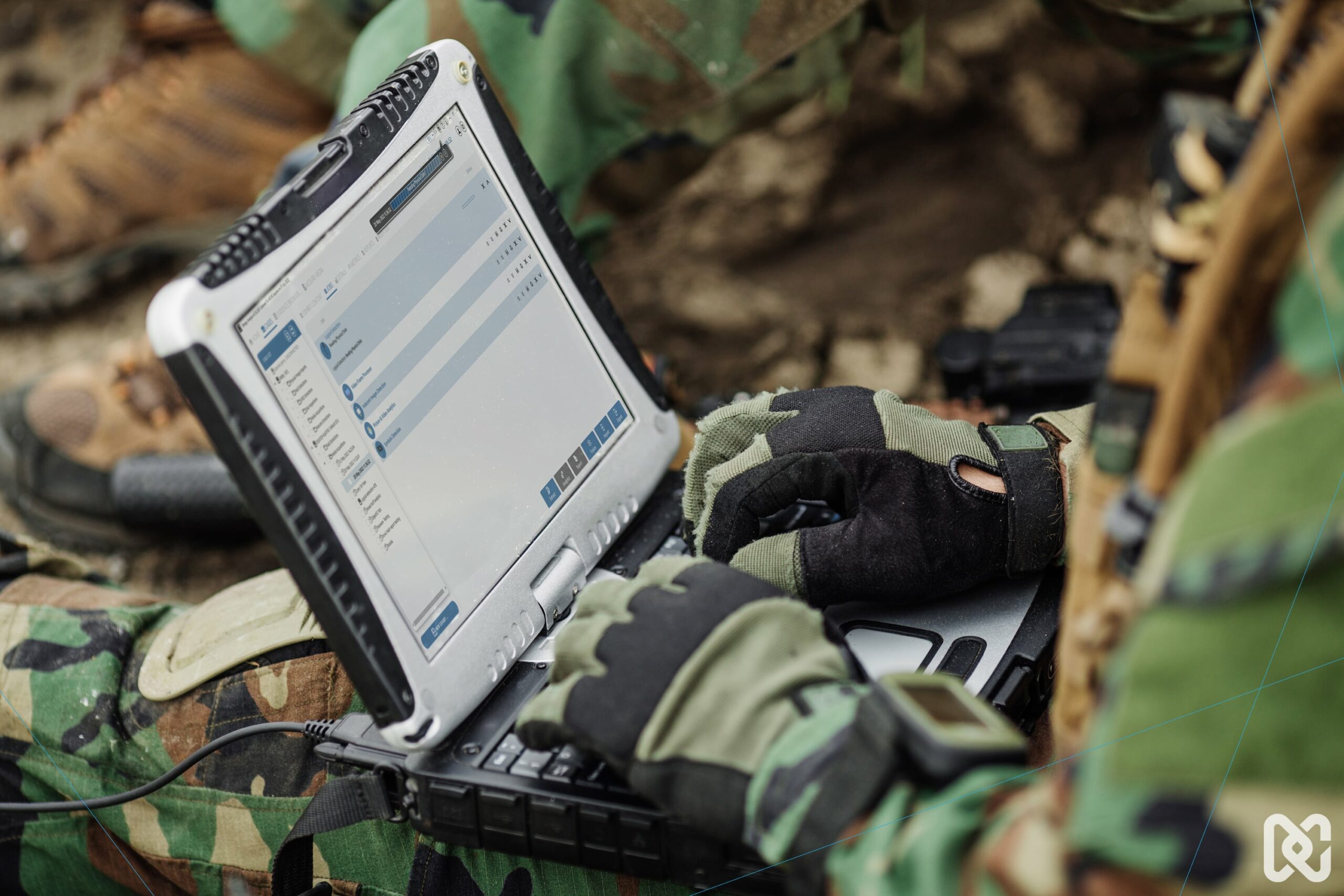
Many investigations cannot be conducted in a lab. Evidence collection often takes place in the field. For instance, airports. police stations. Border crossings. remote places. and crime scene. Frontline employees require tools that are forensic-focused, but are also simple to deploy.
Modern forensic tools are increasingly supporting both field-based and laboratory-based processes. Portable tools enable investigators to quickly identify relevant evidence and perform triage. This improves the operational resiliency while ensuring investigations can continue regardless of where.
Cyber Security And Digital Forensics Have Never been more connected
As cyber-attacks continue to grow, the connection between Cyber Security and Digital Investigations will become increasingly important.
Cyber security focuses on stopping attacks and protecting systems, while Digital forensics provides the necessary capabilities to understand what happened when an incident occurs. Together, they help organizations to improve their security, identify dangers more effectively, and respond quickly to emerging threats. The ability to gather the data, analyze it, and then respond to digital evidence is now a crucial aspect of modern security operations.
The Future of Investigations is Faster Intelligent, Smarter, and Connected
Digital investigations continue to increase in complexity, as new technology, devices and communication platforms appear. Businesses require solutions that can keep up with the changing landscape while also delivering speed, accuracy as well as operational efficiency.
By combining advanced Digital forensics capabilities, AI-powered analytics, streamlined DFIR workflows, comprehensive computer forensics tools, and integrated Cyber security support, modern platforms help investigators transform vast amounts of data into actionable intelligence.
As businesses continue to insist on rapid and reliable investigations, unified forensics solutions will become more important in helping uncover the truth and protect crucial assets, as be able to handle the most significant digital threats.